Phronesis Tours

Laikipia, Kenya · Ol Pejeta Conservancy

Ol Pejeta Conservancy Safari Guide

Meet the last two northern white rhinos on Earth, track black rhinos and lions, visit rescued chimpanzees and drive across the equator beneath Mount Kenya.

  • 360 km² conservancy
  • ~4 hrs from Nairobi
  • Big Five + chimpanzees
  • Safaris from US$2,172

A conservancy with a mission

Why visit Ol Pejeta Conservancy?

Ol Pejeta is a 360 km² not-for-profit wildlife conservancy in Laikipia County, between the Aberdare foothills and Mount Kenya, right on the equator.

It protects the largest black rhino sanctuary in East Africa and the last two northern white rhinos left in the world. Every visit helps fund this work, along with community projects in the villages around the conservancy.

Game viewing is excellent and easy. The Big Five live here, along with Grevy's zebra, Jackson's hartebeest, wild dogs and more than 300 bird species, all within a short drive of Nanyuki.

Signature story

From cattle ranch to rhino stronghold

Ol Pejeta's history explains why it is so special today. Here are the moments that shaped it.

  1. 1949

    Cattle ranch

    The land is run as a cattle ranch on the Laikipia Plateau.

  2. 1988

    Sweetwaters

    A rhino sanctuary is created on part of the ranch.

  3. 1993

    Chimpanzees

    Sweetwaters Chimpanzee Sanctuary opens with the Jane Goodall Institute.

  4. 2004

    Conservancy

    Fauna & Flora International buys the land and Ol Pejeta becomes a not-for-profit conservancy.

  5. 2009

    Northern whites

    Four northern white rhinos arrive from a zoo in the Czech Republic.

  6. 2013

    100 rhinos

    The 100th black rhino is born, a milestone for the sanctuary.

  7. 2018

    Sudan

    Sudan, the last male northern white rhino, dies aged 45.

The last of their kind

The last two northern white rhinos

Najin and her daughter Fatu are the only northern white rhinos left on Earth. They live under 24-hour armed guard at Ol Pejeta, where their keepers know them as gentle, curious animals.

Neither can carry a pregnancy, so scientists are using eggs collected from Fatu and stored cells from other rhinos to create embryos, with the hope that southern white rhino surrogates can one day carry a northern white calf.

NajinBorn 1989 · the mother
FatuBorn 2000 · her daughter
SudanThe last male · died 19 March 2018
Include a rhino visit
White rhino mother and calf in Kenya
Ol Pejeta also protects more than 100 eastern black rhinos and a herd of southern white rhinos.

Signature experiences

Things to do at Ol Pejeta

Beyond game drives, Ol Pejeta runs hands-on conservation activities. Prices are the conservancy's 2026 rates per adult; book at least a day ahead and we arrange it all for you.

Meet the northern white rhinos

Visit Najin and Fatu with their keepers.

US$70 per adult

Lion tracking

Follow researchers as they track the conservancy's lions.

US$70 per adult

Night game drive

Look for nocturnal animals after dark.

US$70 per adult

Rhino monitoring

Join a ranger team on its rhino patrol.

US$70 per adult

Guided bush walk

Explore on foot with an expert guide.

US$70 per adult

Equator crossing

Stand with one foot in each hemisphere.

Included
Chimpanzee at Sweetwaters Chimpanzee Sanctuary, Ol PejetaKenya's only place to see chimpanzees

Sweetwaters Chimpanzee Sanctuary

Rescued chimpanzees on the Ewaso Nyiro

Chimpanzees are not native to Kenya. The Sweetwaters Chimpanzee Sanctuary opened in 1993, through Ol Pejeta, the Jane Goodall Institute and the Kenya Wildlife Service, to give a lifelong home to chimps rescued from the illegal pet and bushmeat trade in West and Central Africa.

Today around 40 chimpanzees live in large natural enclosures along the river. Visitors watch them from raised platforms while caretakers share each chimp's story.

Wildlife

Animals you can see at Ol Pejeta

All of the Big Five live here: lion, leopard, elephant, buffalo and rhino. Look out too for cheetah, wild dog, Jackson's hartebeest, Beisa oryx, serval and bat-eared fox.

Black & white rhino at Ol Pejeta Conservancy
Black & white rhino
Lion at Ol Pejeta Conservancy
Lion
Grevy's zebra at Ol Pejeta Conservancy
Grevy's zebra
Leopard at Ol Pejeta Conservancy
Leopard
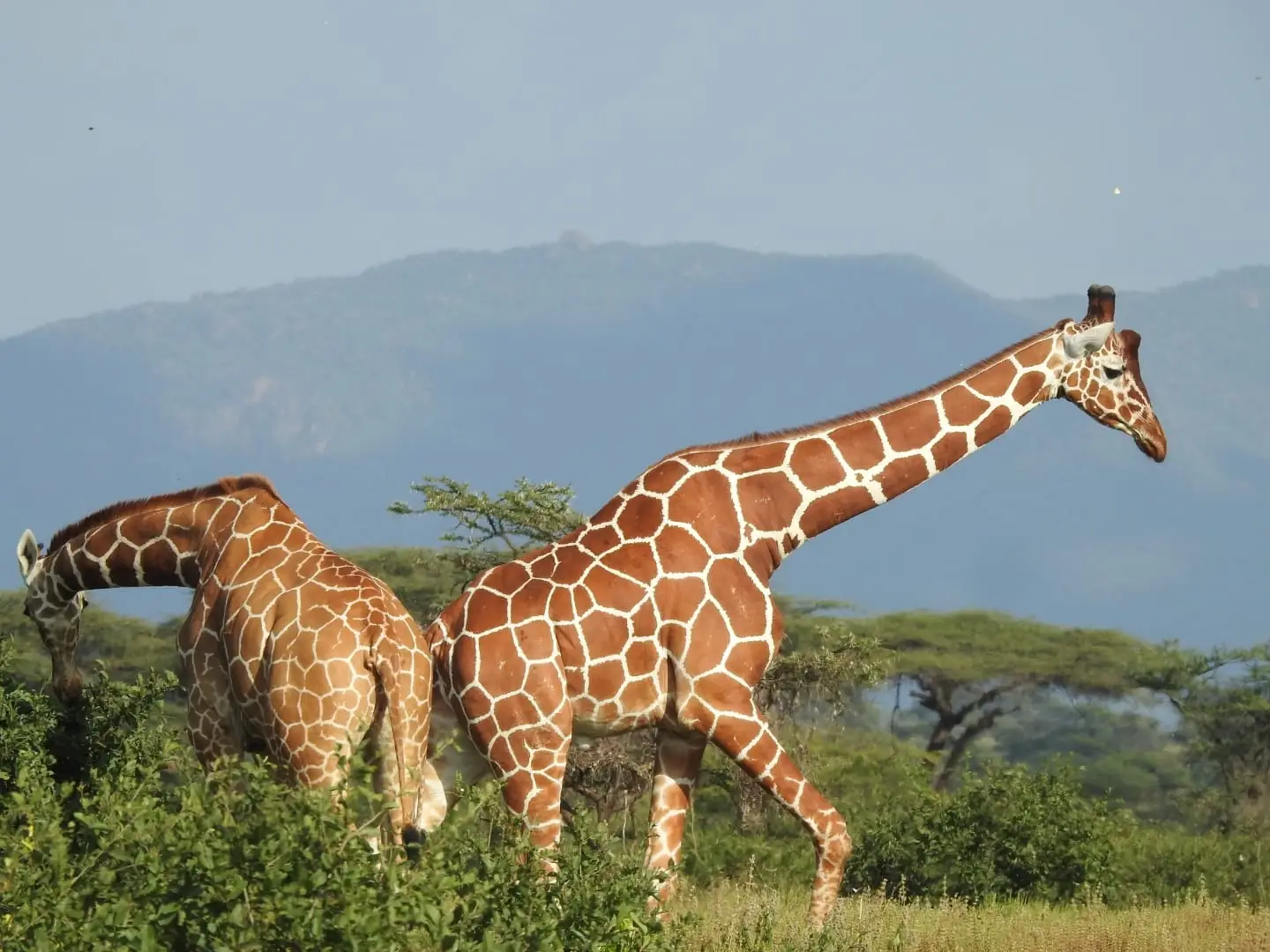
Reticulated giraffe at Ol Pejeta Conservancy
Reticulated giraffe

Practical information

Plan your visit and conservancy fees

By road

About 200 km from Nairobi via Nyeri or Nanyuki, around 4 hours on good tarmac. Ol Pejeta is an easy stop on the way to Samburu.

By air

Scheduled flights from Nairobi land at Nanyuki airstrip in under an hour, with a short transfer to the conservancy.

Gates and hours

Enter and exit through the Rongai or Serat gates, open 7:00 am to 7:00 pm. Gates are cashless, so fees are paid in advance.

Where to stay

Tented camps and lodges inside the conservancy, many with views of Mount Kenya, plus hotels in nearby Nanyuki.

Best time

All year. June to October and January to February are driest, with the clearest views of Mount Kenya.

Conservancy fees 2026

Single entry for day visitors, or 24 hours for overnight guests.

VisitorAdultChild
Non-residentUS$110US$55
EA residentKSh 3,500KSh 1,750
EA citizenKSh 2,000KSh 1,000

Children are aged 3 to 11. Rates are set by Ol Pejeta and may change; we confirm them in your quote.

Good to know

Ol Pejeta FAQs

Have another question? Our Nairobi team replies quickly on WhatsApp.

Ask on WhatsApp

What is Ol Pejeta Conservancy famous for?

Ol Pejeta is home to the largest black rhino sanctuary in East Africa and to Najin and Fatu, the last two northern white rhinos on Earth. It also has the Sweetwaters Chimpanzee Sanctuary, the only place in Kenya to see chimpanzees, and all of the Big Five.

Can I see the last northern white rhinos?

Yes. Najin and Fatu live in a guarded enclosure at Ol Pejeta. The conservancy runs a "Meet the northern white rhinos" experience, booked in advance, where keepers explain the work to save the subspecies.

Where is Ol Pejeta and how do I get there?

Ol Pejeta is in Laikipia County, central Kenya, near the town of Nanyuki and right on the equator. It is about 200 km from Nairobi, around 4 hours by road, or a short flight to Nanyuki airstrip. Visitors enter through the Rongai or Serat gates.

How much does it cost to enter Ol Pejeta?

For 2026, non-resident adults pay US$110 and children aged 3 to 11 pay US$55. East African residents pay KSh 3,500 and citizens KSh 2,000 per adult. The fee covers a day visit, or 24 hours if you stay overnight.

Can I see chimpanzees at Ol Pejeta?

Yes. The Sweetwaters Chimpanzee Sanctuary opened in 1993 with the Jane Goodall Institute and the Kenya Wildlife Service. It cares for rescued chimpanzees, and you can watch them from viewing platforms along the river.

What is the best time to visit Ol Pejeta?

Ol Pejeta can be visited all year. The dry months, June to October and January to February, give the easiest game viewing and clear views of Mount Kenya. The rains in April, May and November bring green plains and fewer visitors.

Is Ol Pejeta good for families?

Yes. Children aged 3 to 11 pay reduced fees, the drives are short from Nanyuki, and activities such as the chimpanzee sanctuary, the equator crossing and the conservation talks are popular with young travellers.

Start planning

Be part of the rhino story at Ol Pejeta

Tell us your dates and budget. Our Nairobi team will plan your safari, book your conservancy activities and send a free quote.