Black & white rhino
Protected in the park's fenced rhino sanctuary.

Eastern Kenya · Meru National Park
Wild rivers, doum palms and the land where Elsa the lioness was born free. Meru is one of Kenya's most beautiful and least crowded parks.
Photo: Nina R, CC BY 2.0ElsaKenya's hidden gem
Meru National Park covers about 870 km² of bush, grassland and palm-lined rivers on the eastern side of Mount Kenya. It became a national park in 1966.
Rain falling on the Nyambene Hills feeds a network of rivers and streams that run across the park to the Tana River, so Meru is greener and more varied than the dry northern reserves. Doum palms, swamps and riverine forest sit beside open plains.
Best of all, it is quiet. Far fewer vehicles visit Meru than the Masai Mara or Amboseli, so you can enjoy lions, elephants and rhinos without a crowd.

Signature story
Meru is where Joy and George Adamson returned Elsa the lioness to the wild, a story that became one of the most loved wildlife books and films of all time.
Game warden George Adamson and his wife Joy take in three orphaned lion cubs. The smallest, Elsa, stays with them.
Joy's book about raising Elsa and teaching her to live in the wild becomes a worldwide bestseller.
The film Born Free is released, and Meru is made a national park the same year.
You can visit Elsa's grave and the Adamsons' old campsite, quiet reminders of the story that changed how the world saw wild animals.
Signature landscape
Thirteen rivers and many smaller streams cross Meru, lined with doum palms, tamarind and fig trees. They draw elephants and buffalo in the dry season and are home to hippos and crocodiles all year.

Wildlife
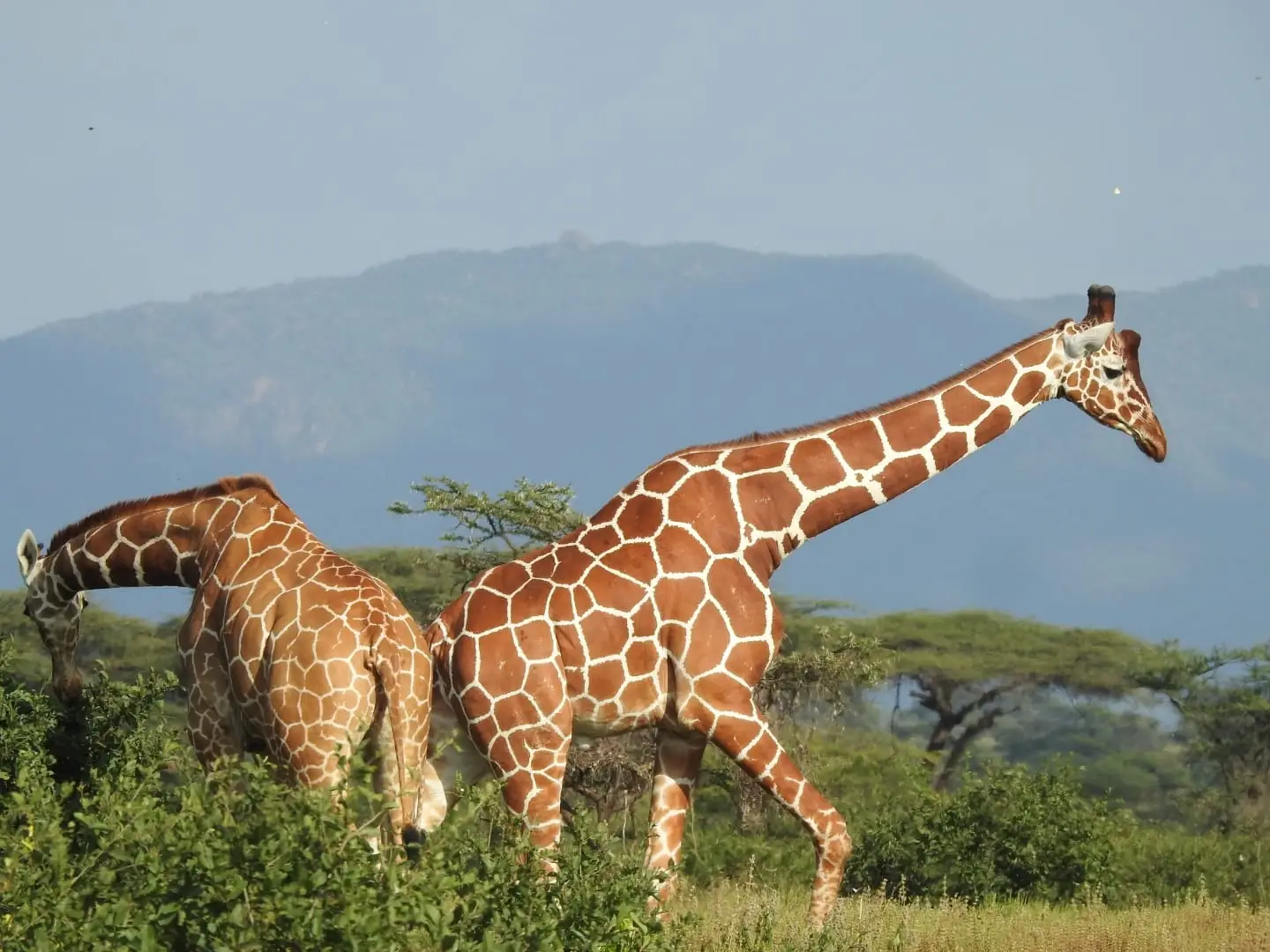
Meru mixes the Big Five with the special northern animals usually found in Samburu, all in one park. Lion, elephant, buffalo and leopard are found throughout.

Protected in the park's fenced rhino sanctuary.
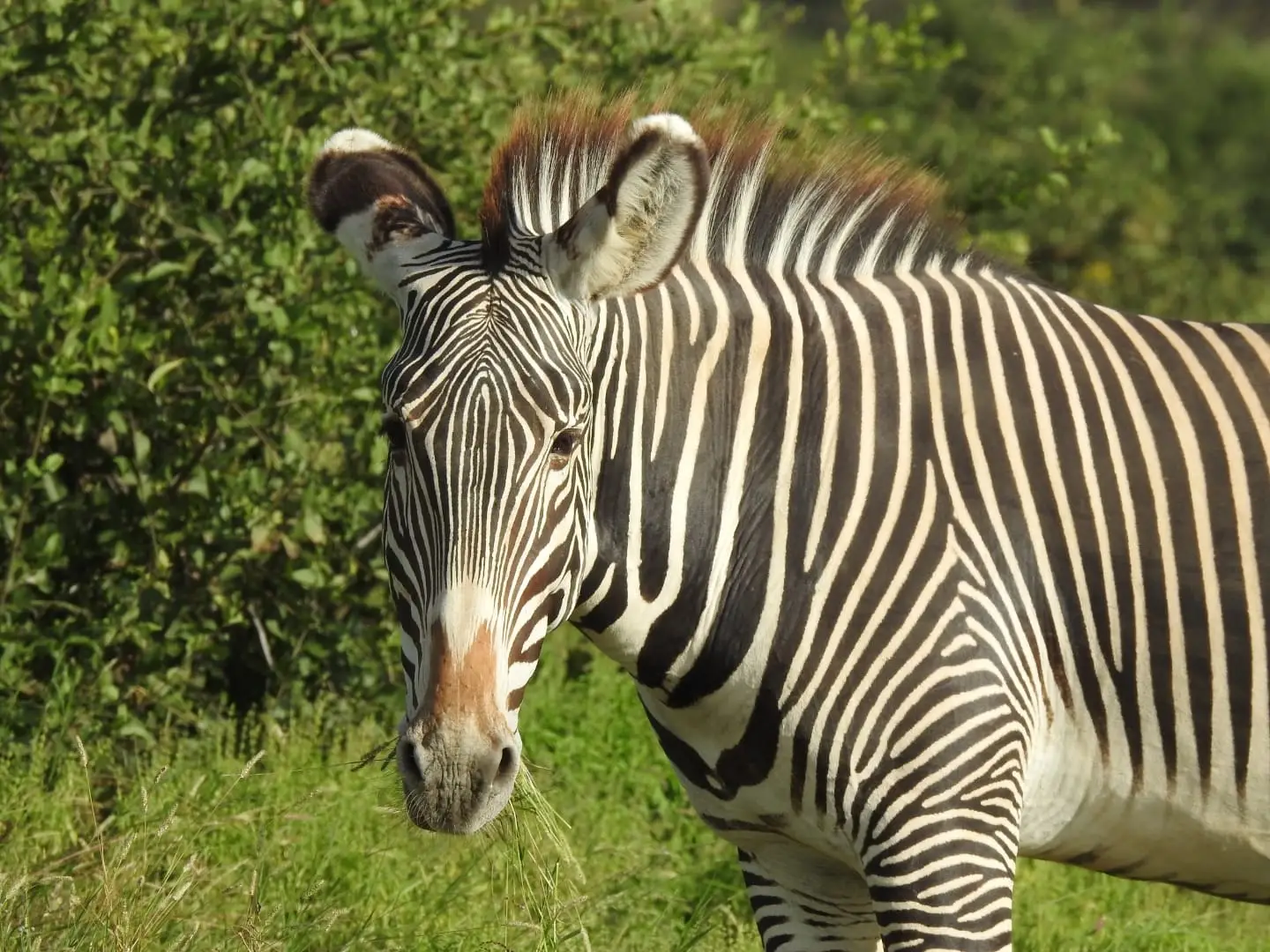
The rare, narrow-striped zebra of northern Kenya.
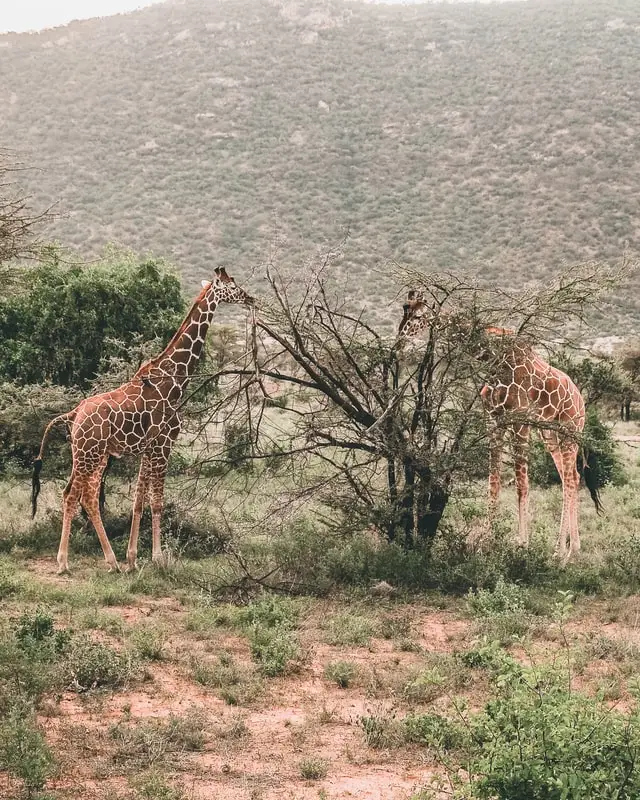
Bold, net-like pattern, found only in the north.
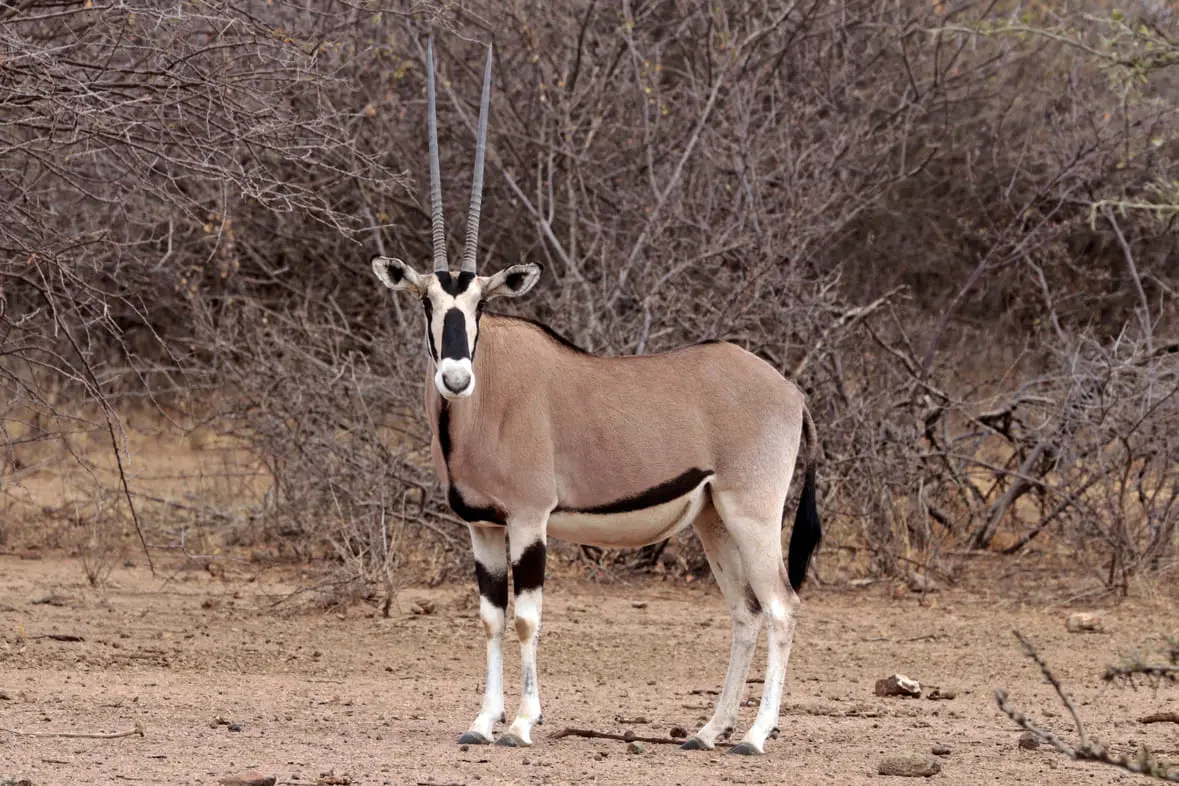
Built for heat, with long straight horns.
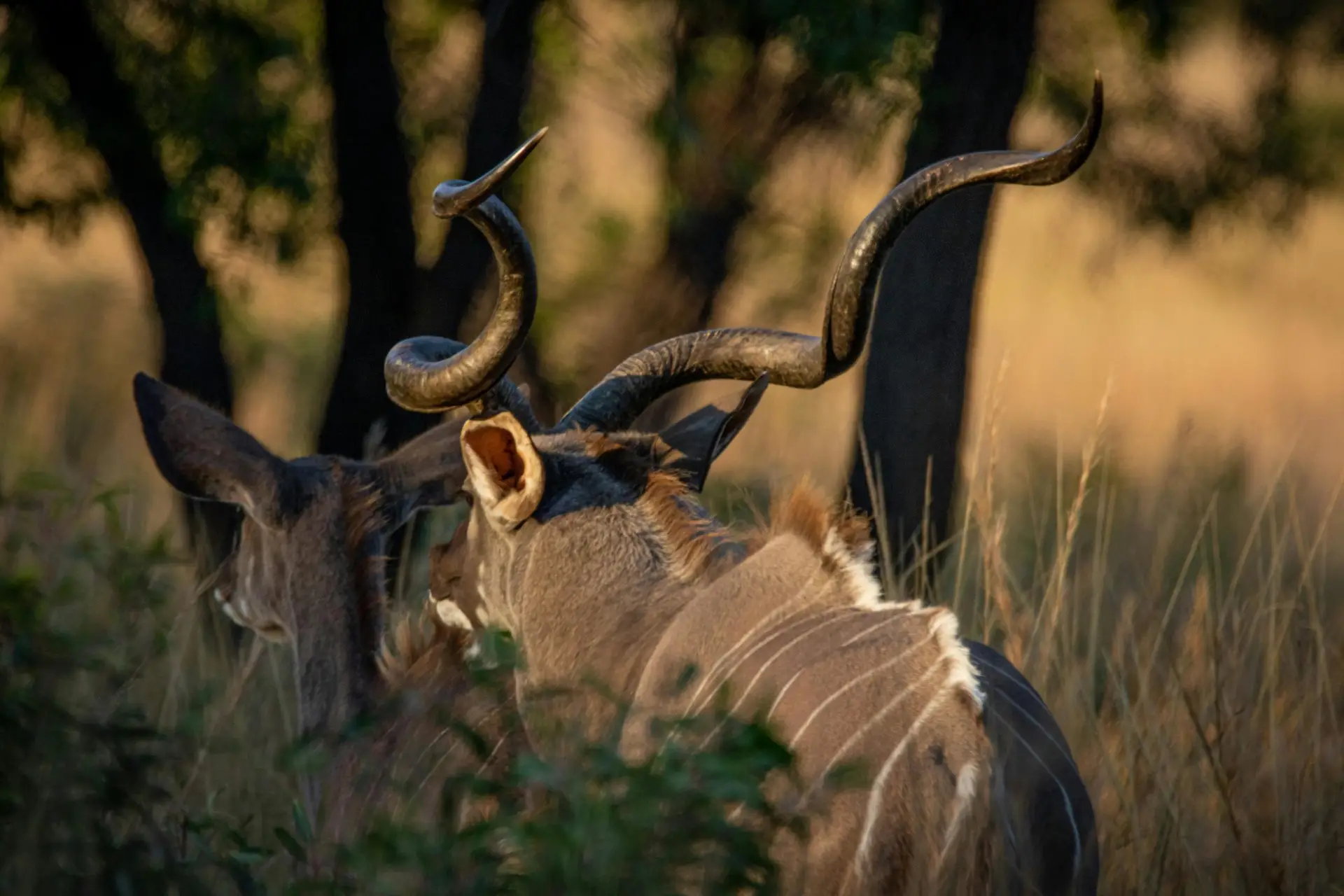
Shy spiral-horned antelope of the thick bush.

Hunts on the open grass plains in the west.
Conservation
Heavy poaching in the 1980s and 1990s left Meru almost empty. Between 2000 and 2005 the Kenya Wildlife Service, with partners including IFAW, rebuilt roads, trained rangers and brought animals back.
Today wildlife numbers have recovered, rhinos are protected in a fenced sanctuary, and Meru is once again one of Kenya's finest wilderness parks.
Practical information
About 350 km and 6 to 7 hours from Nairobi, via Nanyuki or Meru town. Easy to break the journey at Mount Kenya.
Scheduled and charter flights from Wilson Airport in Nairobi take about 1 hour to the park's airstrip.
Late June to October and January to March are driest. Meru is lush and green after the rains, but some tracks can close.
A small choice of lodges and tented camps, from riverside camps to hilltop lodges with views over the park.
Per person, per 24 hours, since 1 October 2025.
| Visitor | Adult | Child |
|---|---|---|
| Non-resident | US$70 | US$40 |
| Kenya resident | KSh 1,100 | KSh 675 |
| EA citizen | KSh 800 | KSh 500 |
Children are aged 5 to 17. Fees can change; we confirm them in your quote.
Good to know
Have another question? Our Nairobi team replies quickly on WhatsApp.
Ask on WhatsAppMeru is known as the home of Elsa the lioness from Born Free, for its many rivers and doum palms, its rhino sanctuary, and for being one of Kenya's quietest parks, where you can often have a sighting to yourself.
Meru lies east of Mount Kenya and the Nyambene Hills, about 350 km from Nairobi. The drive takes around 6 to 7 hours, or about 1 hour by light aircraft from Wilson Airport.
Lion, elephant, buffalo, leopard, cheetah and both black and white rhino, plus northern species such as reticulated giraffe, Grevy's zebra, beisa oryx, lesser kudu and gerenuk. Hippos and crocodiles live in the rivers.
Yes. Elsa, the lioness raised by Joy and George Adamson and made famous by the book and film Born Free, is buried in the park. Part of Joy Adamson's ashes were scattered at Elsa's grave.
The dry seasons, from late June to October and from January to March, are best. Animals gather near the rivers and the roads are easier. Meru is green and beautiful in the rains, but some tracks can close.
Under the Kenya Wildlife Service fees in force since 1 October 2025, non-resident adults pay US$70 and children US$40 per 24 hours. Kenya residents pay KSh 1,100 and East African citizens KSh 800 per adult.
Yes. Meru pairs well with Samburu to the north-west and with Mount Kenya, Ol Pejeta or the Aberdares on the way back to Nairobi.
Tell us your dates and budget. We will plan your route through northern Kenya and send a free quote.