Phronesis Tours

Kenya park guide · Tsavo West National Park

Tsavo West National Park Safari Guide

A land of volcanic hills, lava flows and crystal springs. Watch hippos at Mzima Springs, look for black rhinos at Ngulia and scan the plains from Tsavo's rocky lookouts.

  • Size9,065 km²
  • From Nairobi~240 km · 4 hrs
  • Best timeJun – Oct, Jan – Feb
  • Safaris fromUS$1,116 pp

The volcanic half of Tsavo

Why visit Tsavo West National Park?

Tsavo West National Park covers 9,065 km² of southern Kenya, between the Nairobi–Mombasa highway and the Tanzania border. It was gazetted in 1948, and together with Tsavo East it forms the vast Tsavo Conservation Area.

Where Tsavo East is flat and wide, Tsavo West is rugged. Volcanic cones, lava fields and rocky hills rise from the bush, with Kilimanjaro on the horizon on clear days. Water filtered through the Chyulu Hills bursts out at Mzima Springs, the park's green heart.

Elephant, lion, leopard, buffalo, giraffe and lesser kudu live here, and black rhinos are protected in the Ngulia Rhino Sanctuary. It is an easy stop between Nairobi, Amboseli and the coast.

Signature experience

Mzima Springs: hippos through the glass

Rain falling on the Chyulu Hills sinks into porous volcanic rock and travels underground before rising at Mzima Springs as clear, filtered water. The pools are home to hippos, Nile crocodiles and shoals of fish, and the springs also feed a pipeline that supplies water to Mombasa.

  • Underwater viewing chamber. Look through glass windows below the surface to watch fish and, with luck, hippos moving underwater.
  • Guided nature trail. A short walk with a ranger along the pools, among fig trees and raffia palms.
  • Best time. Early morning, when the water is calm and hippos are most active.
Hippos in the water at Mzima Springs, Tsavo West

Signature landscape

Lava flows and volcanoes

Tsavo West sits on a young volcanic landscape. Black lava, cinder cones and hills give it a look found nowhere else on a Kenya safari.

01

Shetani Lava Flow

A field of black lava rock left by an eruption only a few hundred years ago. Its name means devil in Swahili, from the local stories of fire coming out of the ground.

02

Chaimu Crater

A young volcanic cone near Kilaguni. Its black cinder slopes stand out against the red earth and bush.

03

Chyulu Hills

Green volcanic hills on the park's north-west edge. Rain soaks through their porous rock and comes up again as Mzima Springs.

Lookouts worth the climb

Poacher's Lookout and Roaring Rocks are rocky hilltops with wide views over the plains, where you can scan for elephants and watch eagles ride the wind. On clear mornings, Kilimanjaro appears in the distance.

Black rhino in Kenya

Conservation

Ngulia Rhino Sanctuary

Set up in 1986 at the foot of the Ngulia Hills, this fenced sanctuary protects black rhinos, one of Africa's most endangered animals, with round-the-clock ranger patrols. The population has grown enough for rhinos to be moved to other parts of Tsavo.

1986sanctuary founded
~90 km²fenced and guarded
4–6 pmusual visiting hours

Rhinos are shy and mostly come out late in the day, so sightings are never guaranteed. Your guide will time the visit for the best chance.

Wildlife

Animals you can see in Tsavo West

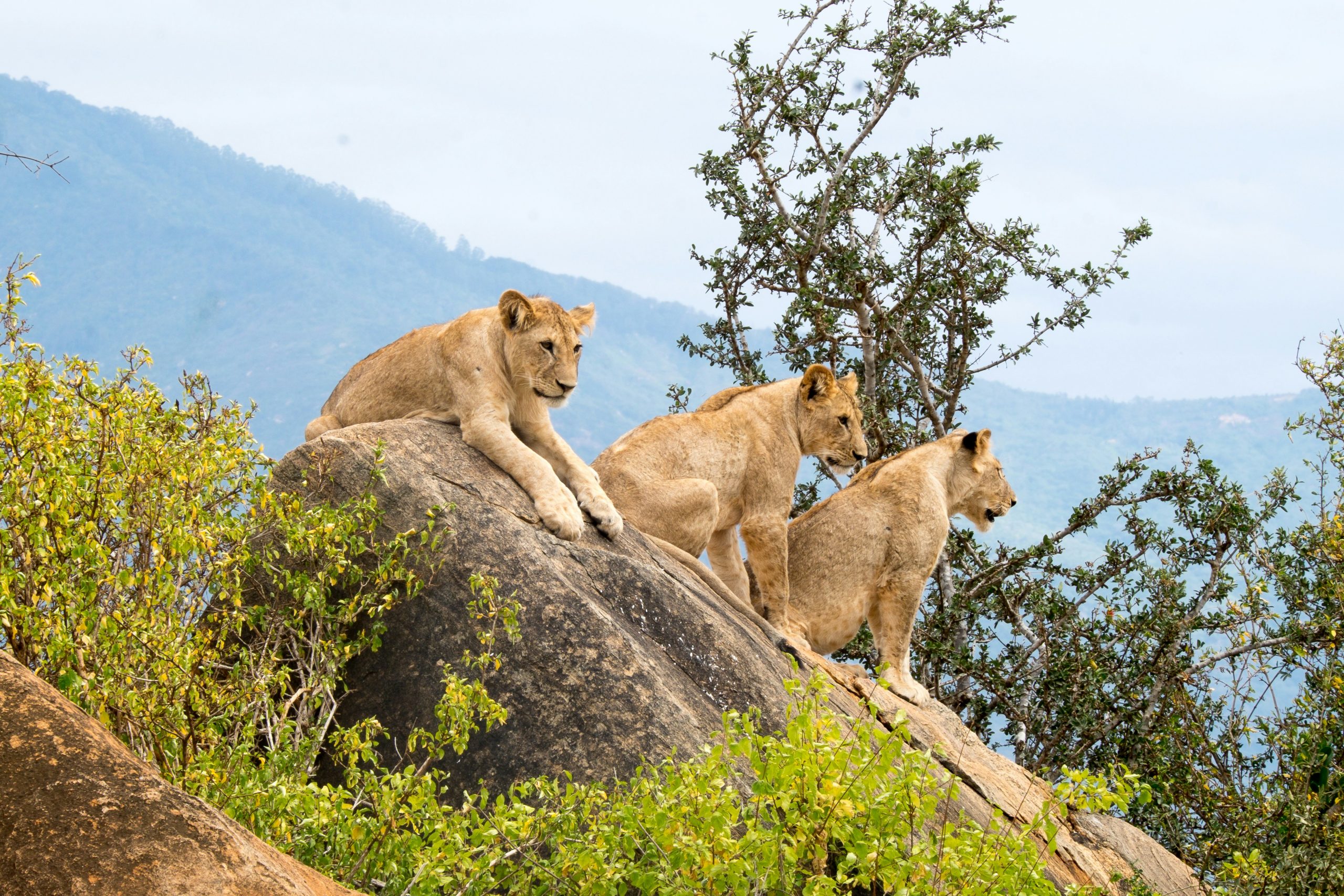
All of the Big Five live in Tsavo West, though the thick bush means patience pays. Look for lion, leopard, elephant, buffalo and black rhino, plus Masai giraffe, zebra, hartebeest and gerenuk.

Leopard in Tsavo West National Park

Leopard

Rests in trees along the rivers and rocky hills.

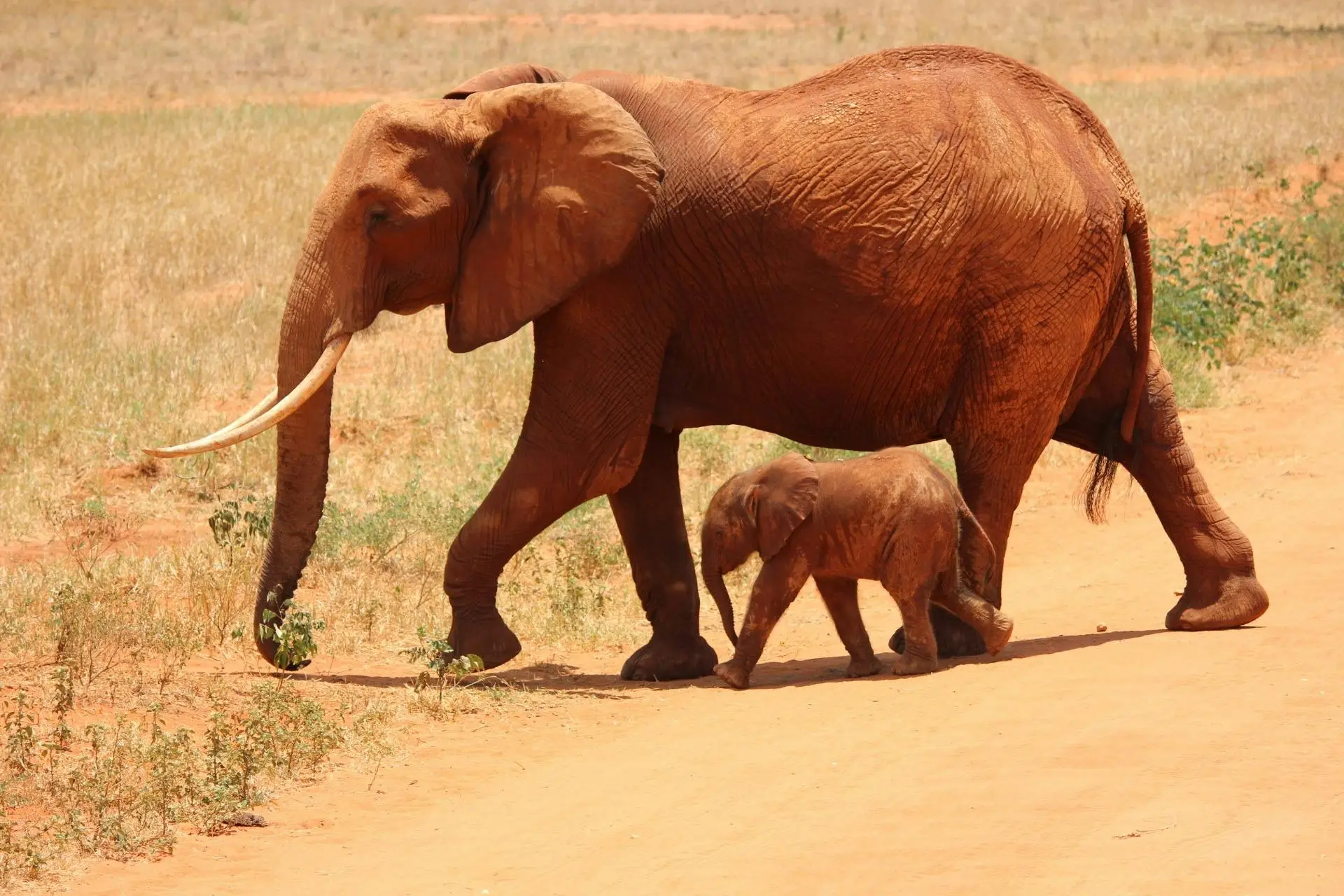
Elephant in Tsavo West National Park

Elephant

Herds move between the springs and the plains.

Zebra in Tsavo West National Park

Zebra

Herds gather at waterholes in the dry months.

Hippo & crocodile in Tsavo West National Park

Hippo & crocodile

At Mzima Springs and the Tsavo River.

Birding: hundreds of species live in Tsavo West, and the Ngulia Hills are famous for the many thousands of migrant birds that pass over them from October to December.

Best time to visit

When to go to Tsavo West

Tsavo West is good all year. The dry months make wildlife easier to see, while the rains bring green hills, birds and quieter roads.

  1. Jun – Oct
    Long dry season

    The best game viewing. Animals gather at Mzima Springs and the waterholes, and skies are clear.

  2. Jan – Feb
    Short dry season

    Hot, dry and quieter, with good viewing and clear views of Kilimanjaro.

  3. Mar – May
    Long rains

    Green and lush, with lower rates. Some tracks become muddy.

  4. Nov – Dec
    Short rains

    Fresh growth, newborn animals and the bird migration over Ngulia.

Practical information

Plan your visit to Tsavo West

Getting there

About 240 km and 4 hours from Nairobi to Mtito Andei Gate on the Mombasa highway, and around 4 hours from Mombasa. From Amboseli, enter through Chyulu Gate.

Main gates

Mtito Andei Gate is the most used. Tsavo Gate is near Manyani, Chyulu Gate links to Amboseli, and Maktau and Jipe gates lead towards Taveta and Lake Jipe.

Where to stay

Lodges and tented camps around Kilaguni, Ngulia and the Tsavo River, many with floodlit waterholes where animals come to drink at night.

KWS park fees

Per person, per 24 hours, since 1 October 2025.

VisitorAdultChild
Non-residentUS$80US$40
Kenya residentKSh 1,350KSh 675
EA citizenKSh 1,000KSh 500

Gates open 6:00 am – 6:00 pm. Fees can change; we confirm them in your quote.

Good to know

Tsavo West safari FAQs

Have another question? Our Nairobi team replies quickly on WhatsApp.

Ask on WhatsApp

What is Tsavo West National Park known for?

Tsavo West is known for its volcanic scenery, the crystal-clear Mzima Springs with hippos and crocodiles, the Shetani lava flow, the Ngulia Rhino Sanctuary for black rhinos, and big views from rocky hills such as Poacher's Lookout and Roaring Rocks.

How big is Tsavo West?

Tsavo West covers 9,065 km² in Taita-Taveta County. It was gazetted in 1948 and, with Tsavo East across the Nairobi–Mombasa road, forms one of the largest protected areas in Africa.

Can you see hippos underwater at Mzima Springs?

Yes. Mzima Springs has an underwater viewing chamber with glass windows, where you can watch fish and, with luck, hippos swimming. There is also a short guided walk along the pools.

Can I see rhinos in Tsavo West?

Black rhinos are protected in the fenced Ngulia Rhino Sanctuary, set up in 1986. Day visitors can usually enter in the late afternoon, between 4 pm and 6 pm, and watch the waterholes from a viewing platform. Sightings are never guaranteed.

What is the best time to visit Tsavo West?

The dry months from June to October and January to February are best for game viewing. The rains in April, May and November make the park green and quiet, and some tracks can get muddy.

How far is Tsavo West from Nairobi and Mombasa?

Mtito Andei Gate is about 240 km from Nairobi, around 4 hours on the Mombasa highway, and about 4 hours from Mombasa. Chyulu Gate connects the park with Amboseli.

How much are Tsavo West park fees?

Under the Kenya Wildlife Service fees in force since 1 October 2025, non-resident adults pay US$80 and children US$40 per 24 hours. Kenya residents pay KSh 1,350 and East African citizens KSh 1,000 per adult.

Start planning

Explore Tsavo West with a private guide

Tell us your dates and budget. Our Nairobi team will plan your route, lodges and game drives in our own 4x4 Land Cruisers and send a free quote.